NUHS Institutions will NEVER ask you to transfer money or disclose bank details over a call.
If in doubt, call the 24/7 ScamShield helpline at 1799, or visit the ScamShield website at www.scamshield.gov.sg.
The NUHS Diagnostic Radiology Residency Programme prepares residents to become well-rounded radiologists as well as for the Fellowship Examination of the Royal College of Radiology UK (FRCR) and Master of Medicine (MMed) Diagnostic Radiology Singapore. We also develop residents to become excellent clinician educators, clinician researchers or clinician leaders depending on their areas of interest.
Applicants must fulfill the requirements by the Singapore Medical Council for full or conditional registration. Eligibility for conditional registration requires the applicant to hold a basic medical degree from a university/medical school listed in the Schedule of the Medical Registration Act.
Our Diagnostic Radiology Residency Programme is a continuum of five years. We tailor the programme to enable residents to achieve their learning goals and to attain the FRCR and MMed Diagnostic Radiology. Residents will be rotated through neuroradiology (including head & neck radiology), musculoskeletal radiology, breast radiology, body imaging (including cardiac CT and MRI), interventional radiology, paediatric radiology, ultrasound and nuclear medicine. Training also includes general radiology (plain films, fluoroscopy and intravenous urography).


R1 residents start with general radiology, nuclear medicine, CT and ultrasound. MRI will be introduced in the later part of the first year. Residents are expected to sit the FRCR part 1 examination during their first year of training. R2 and R3 residents consolidate their knowledge and skills with rotations through all the radiological sub-specialties. Residents will sit for the FRCR 2A examination after completing 24 months of clinical radiology training. In the third and fourth years of residency, residents will sit for the FRCR 2B examination after completing 34 months of clinical radiology training. Rotations through the radiological subspecialties take place in the NUHS cluster hospitals. R5 residents go through four three-month rotations in sub-specialties of their choice, one of which will be a cross cluster elective.
For more information on the NUHS Diagnostic Radiology Residency Programme, please download the brochure below -


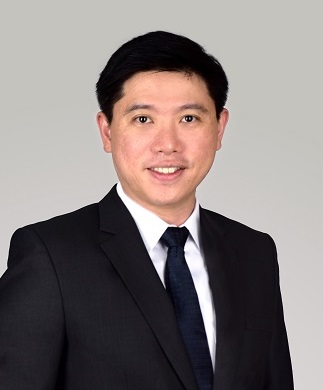
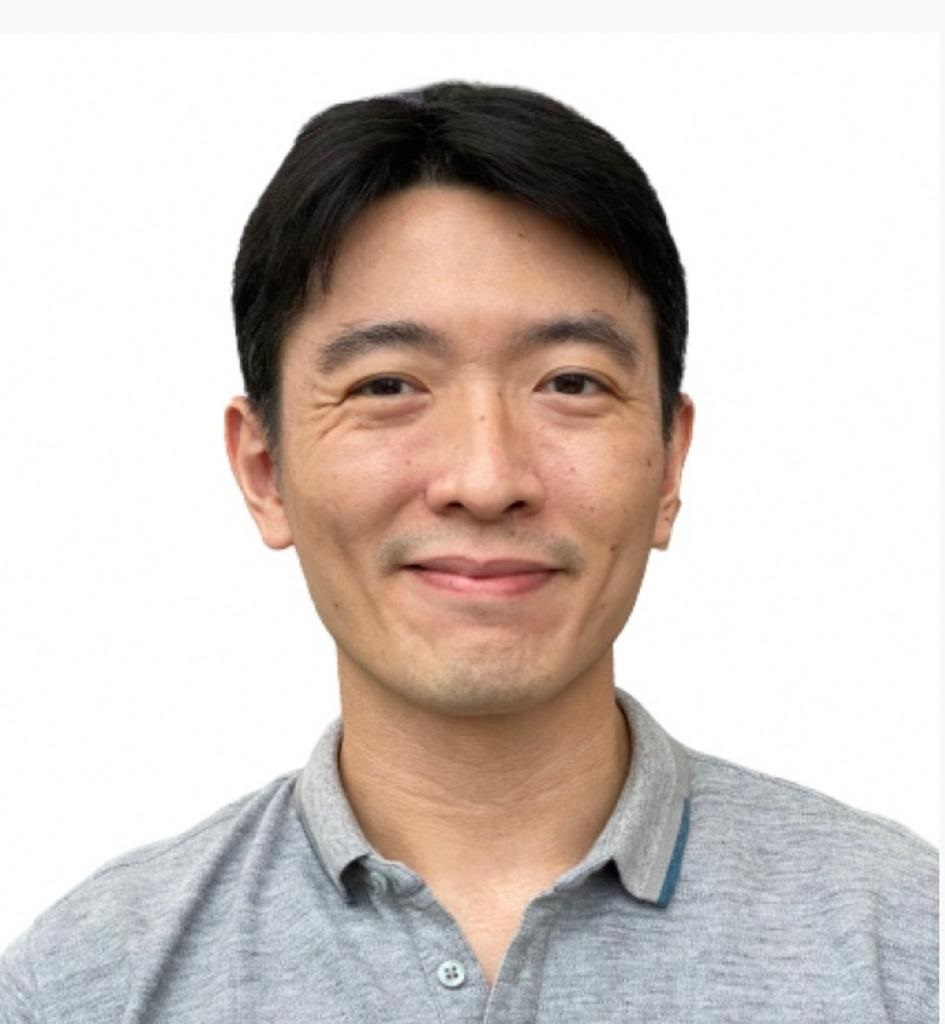
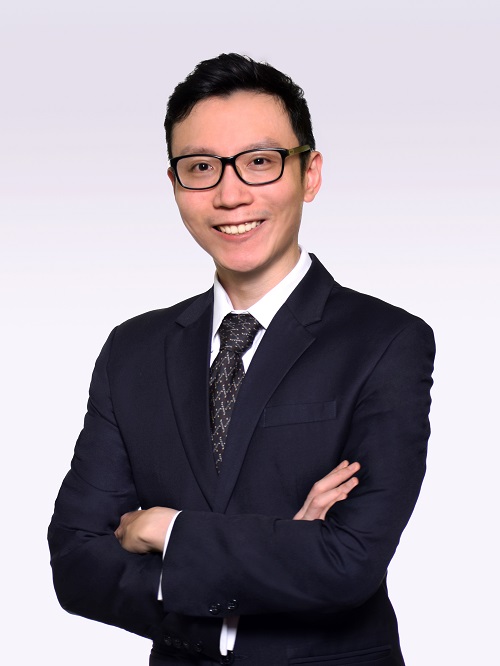
Dr Wong Ying Mei
Associate Programme Director, Diagnostic Radiology Residency Programme, NUHS

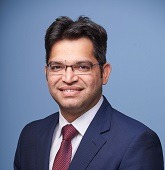
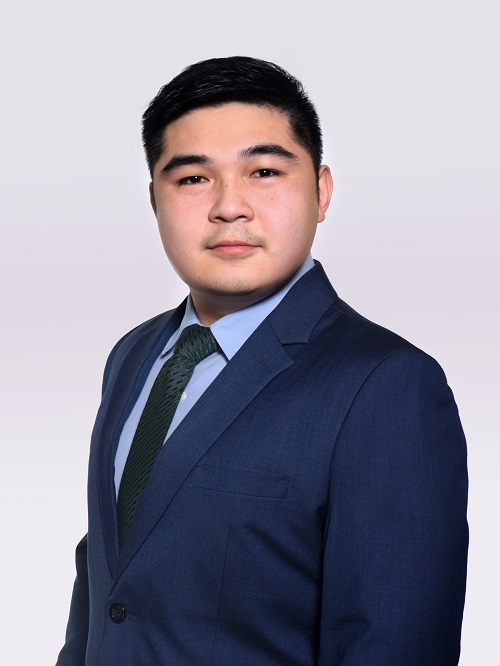
Dr Sachin Agrawal Nandkishore
Associate Programme Director, Diagnostic Radiology Residency Programme, NUHS

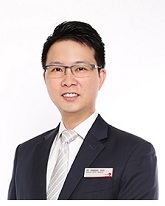
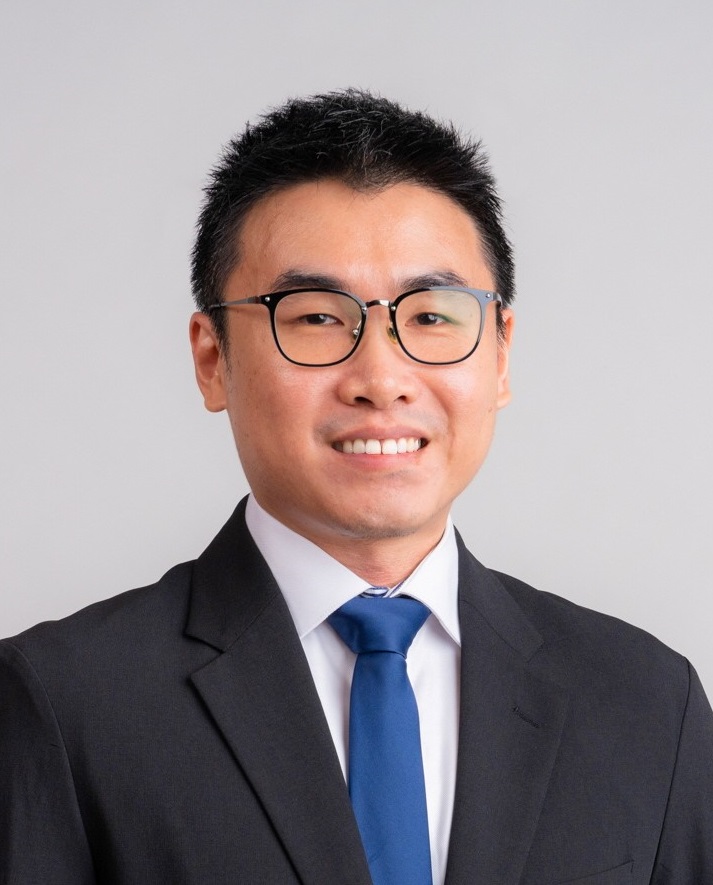
Dr Chua Yi-Xiu
Associate Programme Director, Diagnostic Radiology Residency Programme, NUHS

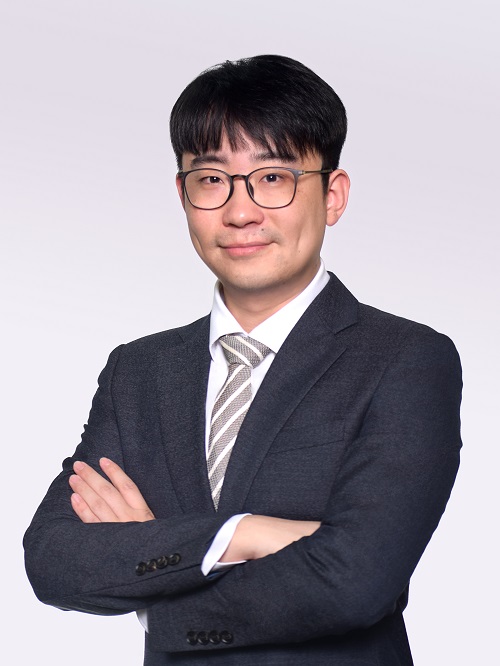
Dr Clement Yong Hsiang Rong
Core Faculty,
Diagnostic Radiology Residency Programme, NUHS
Answer: Please email the Programme Director with your updated CV to discuss further.
Answer: For interim MOPEX or regular cycle MOPEX applications, please email the Head of Department and carbon copy the Programme Director with your updated CV for us to discuss further.

"The NUHS Diagnostic Radiology Residency Programme provides comprehensive and structured training that prepares residents to become well-rounded radiologists after the end of the five-year programme.
Although it is a specialty with a steep learning curve, the residents are given ample support to develop a solid clinical foundation. They have various opportunities to attend regular teachings, putting them in good stead to pass the Fellowship of the Royal College of Radiologists examinations. They will also have a chance to rotate between NUH and NTFGH for their subspecialty postings. Both hospitals have diverse patient profiles and case mixes that complement exposure to commonly seen and complex medical conditions."

"In terms of culture, the department is made up of seniors who take an active interest in their juniors’ growth and development. Many of the consultants readily avail their time to impart their knowledge and advice. Beyond training and work, there is ample support in ensuring that trainees have time with family. For example, many of us have managed to start our families during our residency years with sufficient time to spend with our young children in their formative years. This is something that many of us truly cherish about the training structure."
Base Criteria
Clinical Competence - The ability to apply medical knowledge, skills and judgment to deliver safe and effective patient care.
Interpersonal and Communication Skills - The ability to communicate effectively with patients, families and healthcare teams.
Practice-Based Learning and Improvement - The ability to evaluate one's own patient care practices and identify areas for improvement.
Professionalism - The commitment to carrying out professional responsibilities in an ethical and sensitive manner.
Personal Attributes - Qualities that aligned with NUHS TRICEP values of Teamwork, Respect, Integrity, Compassion, Excellence and Patient-Centredness, that support professional practice and patient-focused care.
Optional Criteria
a) Multi-source feedback from previous posting supervisors
b) Quality of candidate's CV - The ability to apply medical knowledge, skills and judgme
c) Performance in interview based on the following domains:
1) Clarity & Certainty in joining Radiology (Motivation/Drive)
2) Assessment of ability to withstand rigor and demands of training
3) Proactive attitude & self-directed learning
4) Communication & Altruism
5) Confidence & Leadership
Applicants who meet the base and/or optional criteria are eligible to apply for residency training; however, fulfillment of these criteria does not guarantee a match.
Programme Director
Dr Koh Huiliang
[email protected]
Associate Programme Directors
Dr Wong Ying Mei
[email protected]
Dr Sachin Agrawal Nandkishore
[email protected]
Dr Chua Yi-Xiu
[email protected]
Programme Coordinators
Ms Joan Liau
[email protected]